Our work · Our story
Before Neighborship built permitted communities, we spent seven years learning what one needs.
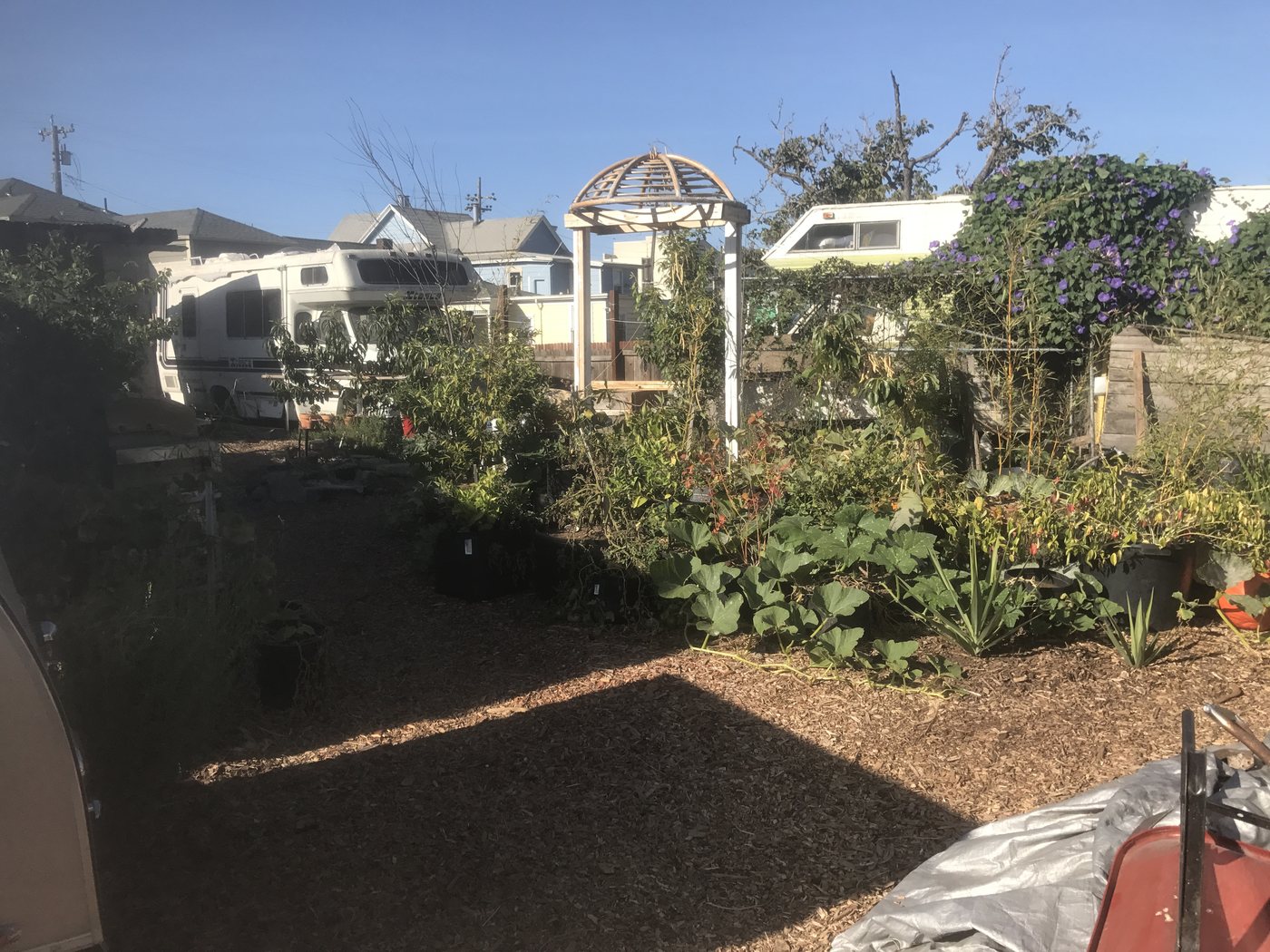
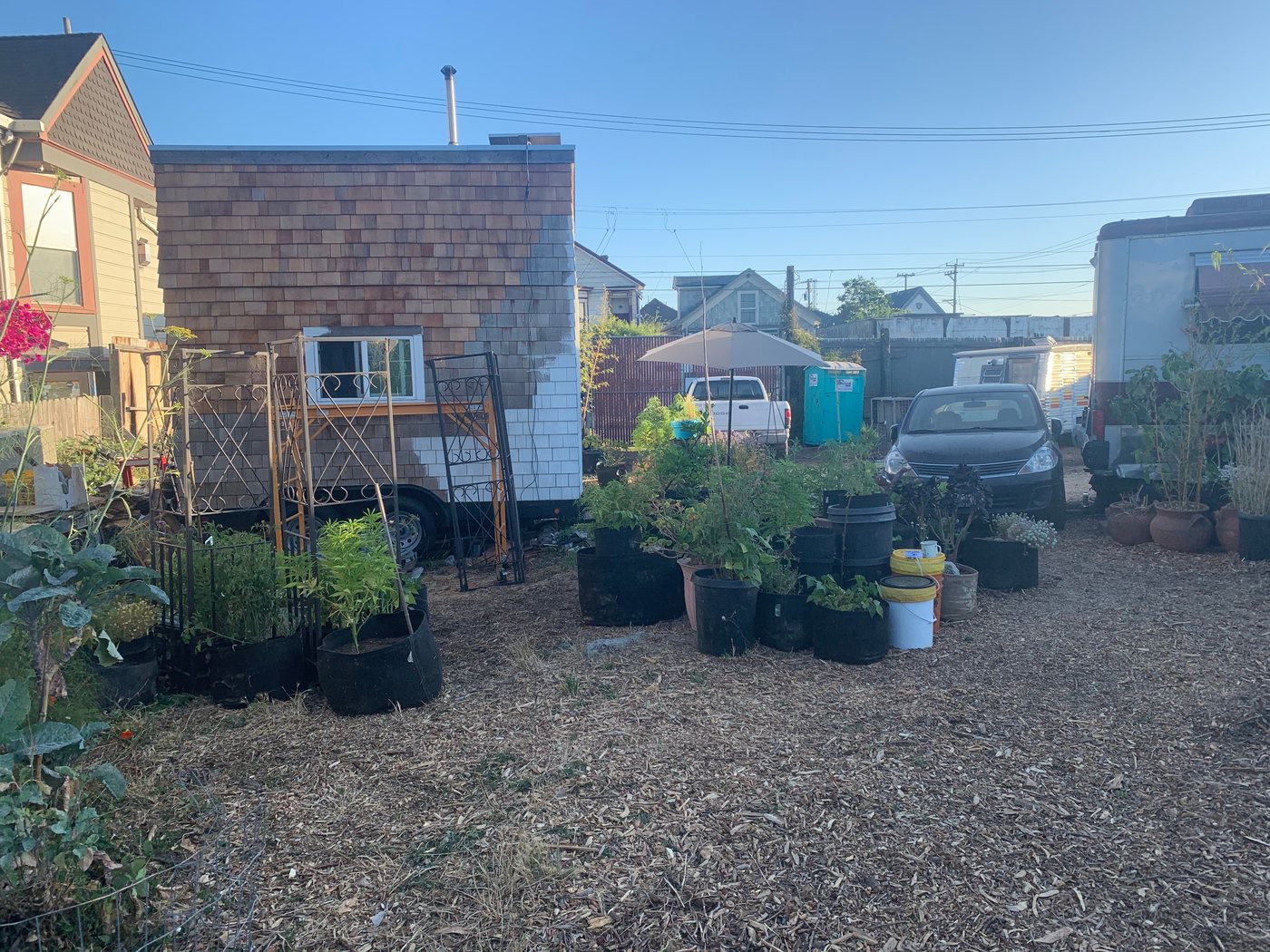
In the spring of 2015, a 10,000-square-foot lot in West Oakland became "No Parking," one of Oakland's longest-running multi-unit tiny home communities. Eight households lived there at a time, in everything from converted buses and vans to wood-framed homes on wheels. Residents paid an average of $400 a month, which together covered the roughly $3,000 it took to run the site.
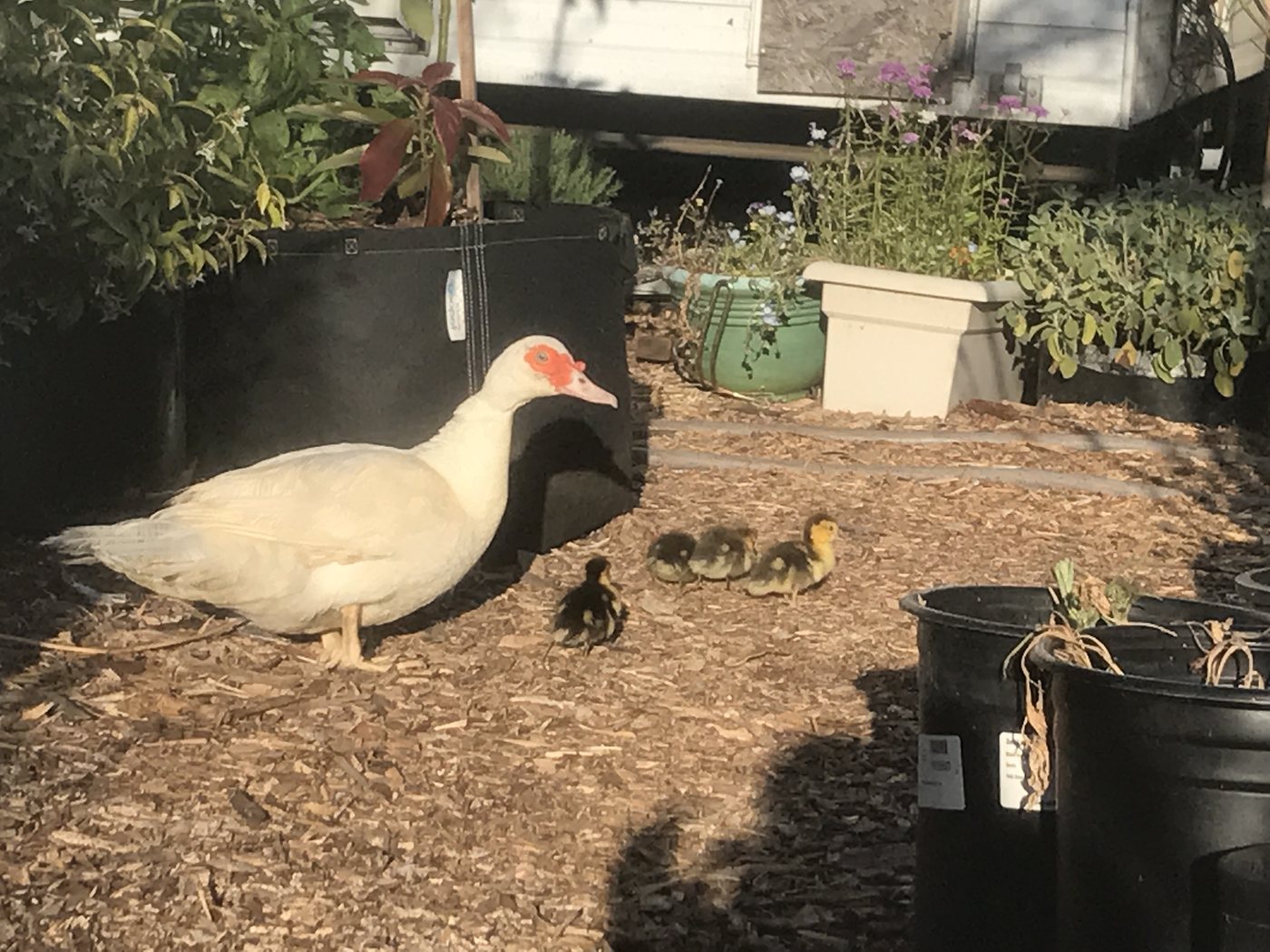
The lot was never connected to the power grid or a sewer line, so residents built their own infrastructure. Each home ran on its own solar setup. The community shared a 3-kilowatt array feeding a battery bank rebuilt from a used Nissan Leaf EV. Neighbors shared internet, water, trash service, an outdoor kitchen and grey water shower, a portopotty serviced weekly, a garden, and a small flock of chickens and ducks, plus bees and rabbits.
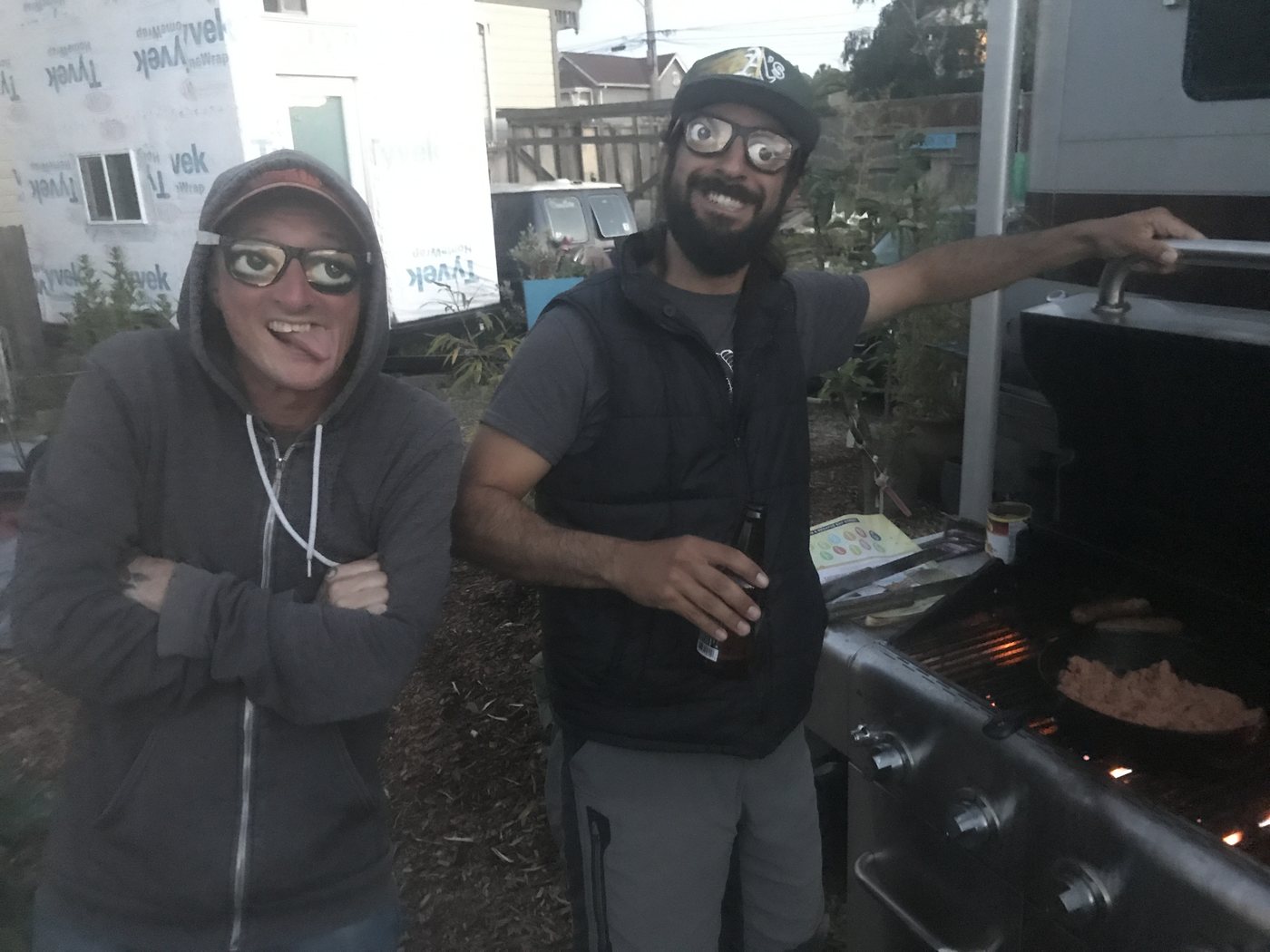
For most of its life, No Parking kept a low profile, because Oakland's blight codes made communities like it vulnerable to fines. That changed in 2021. Code enforcement actions early in the pandemic inspired us to go public. News coverage and a petition campaign, and accelerating previous conversations with the City, eventually led to the Housing Options Ordinance, which created a permitted path for tiny homes and tiny home communities.
No Parking began planning to become a resilience hub for its neighbors: a place to charge phones during an outage, find a working shower after a disaster, and plan together to be resilient in coming storms of global warming or an earthquake.
The City of Oakland made this video about the new ordinance. Our community is in it.
The new permit path came with a price. Bringing in a sewer line and covering planning fees was estimated at $150,000. Meanwhile the landowner faced mounting fines and a $12,000 Vacant Parcel Tax on a lot that was housing people.
The community couldn't absorb those costs, and on October 10, 2022, the last homes moved out.
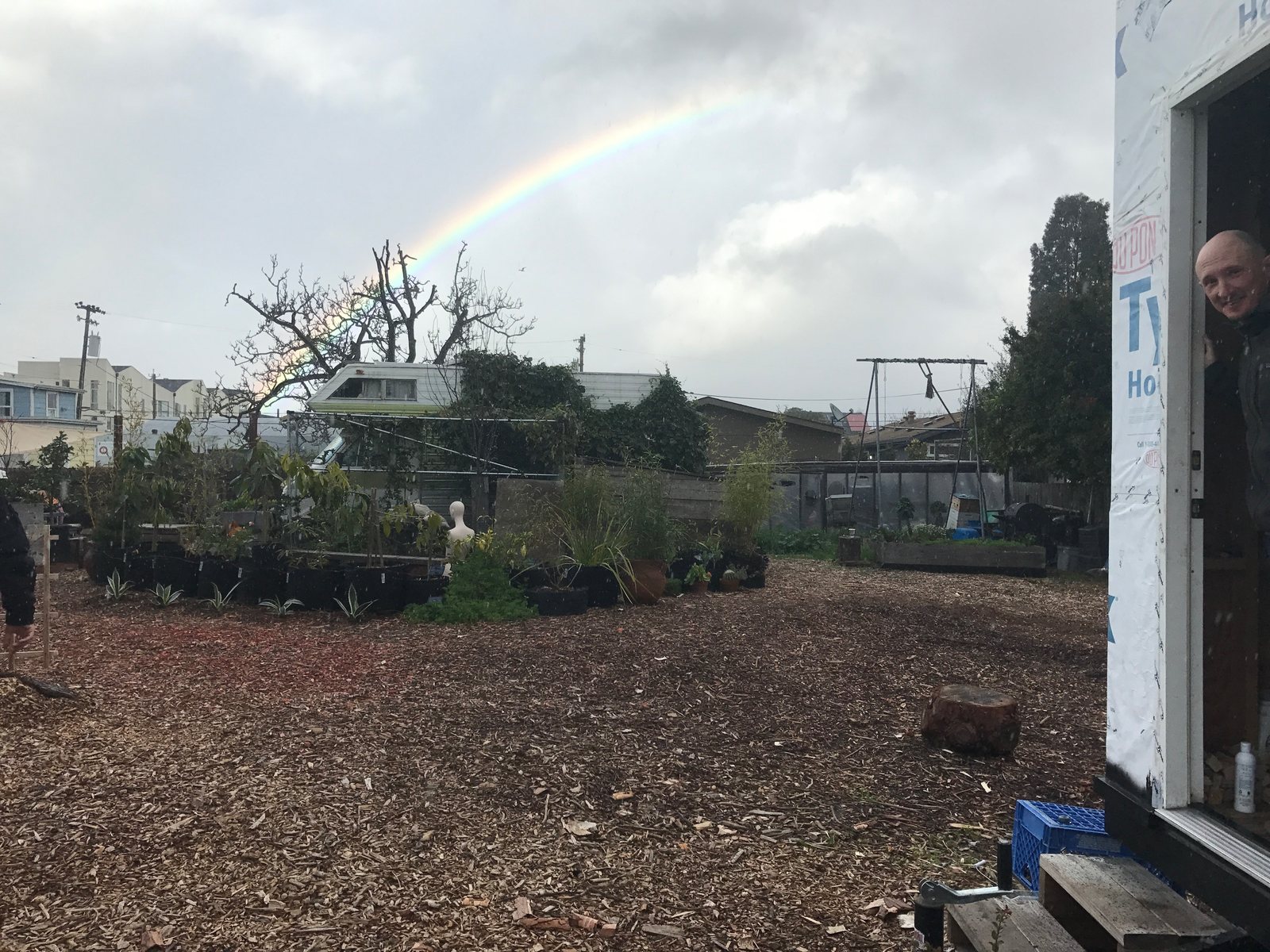
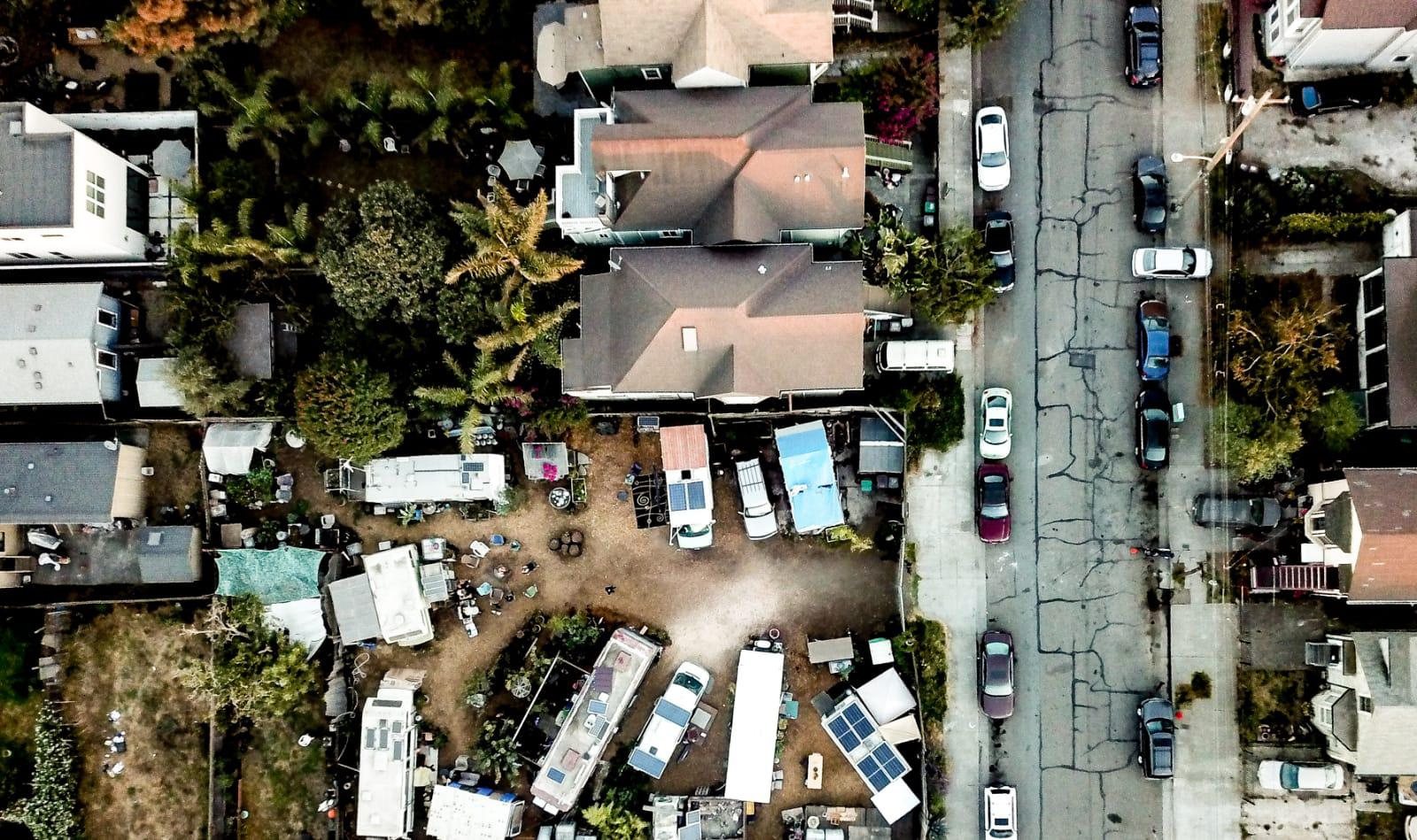
Solar on every roof because there was no grid connection. Portopotty because there was no sewer. Quiet because a call to code enforcement could end the affordability experiment for everyone.
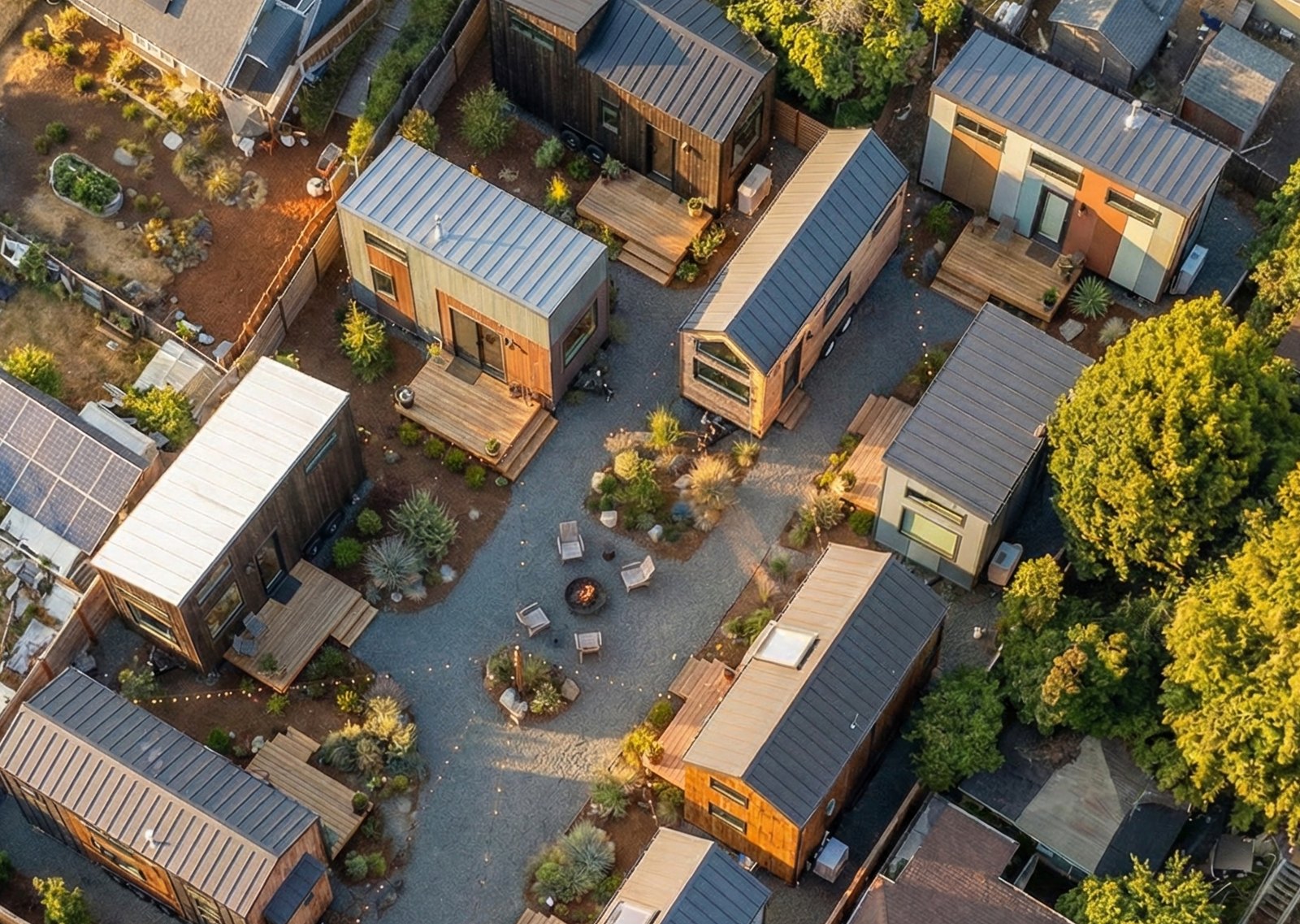
Every Neighborship community starts where No Parking couldn't finish: permitted from day one, with utility connections to every home, professionally built homes, and land held in trust.
Seven years of field research, and one rule we won't break again: build it so nobody has to leave.