Tiny home communities.
Beautiful. Affordable. Fast.
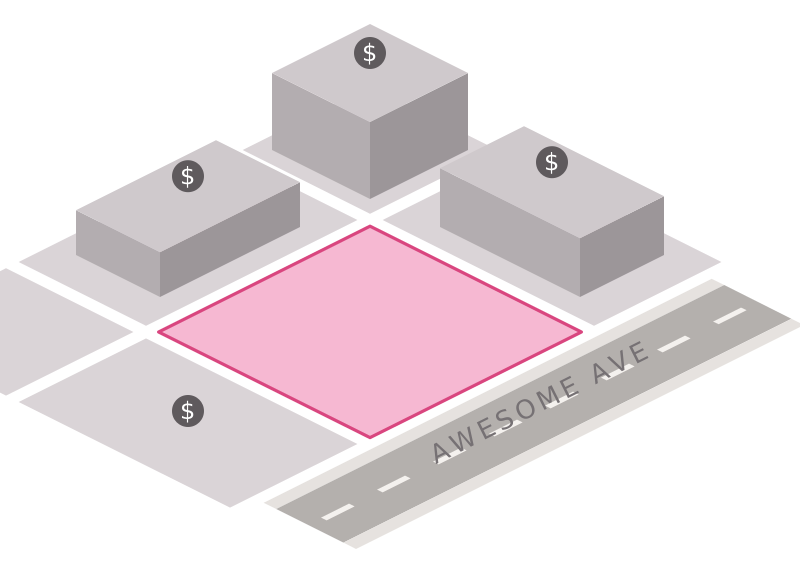
Pocket communities of professionally built homes on parcels held in a land trust, so the cost of housing never includes profit.

Pocket communities of professionally built homes on parcels held in a land trust, so the cost of housing never includes profit.
The term has a big tent of interpretations, but we define them as professionally built full homes on wheels. They range from 160 to 300 square feet. Built in factories, certified by a third-party inspection agency and made to the codes for what are called Park Models in the wheel estate industry. They have a full kitchen, bathroom and are designed to connect to city water, sewer and power. Just like your house but tiny.
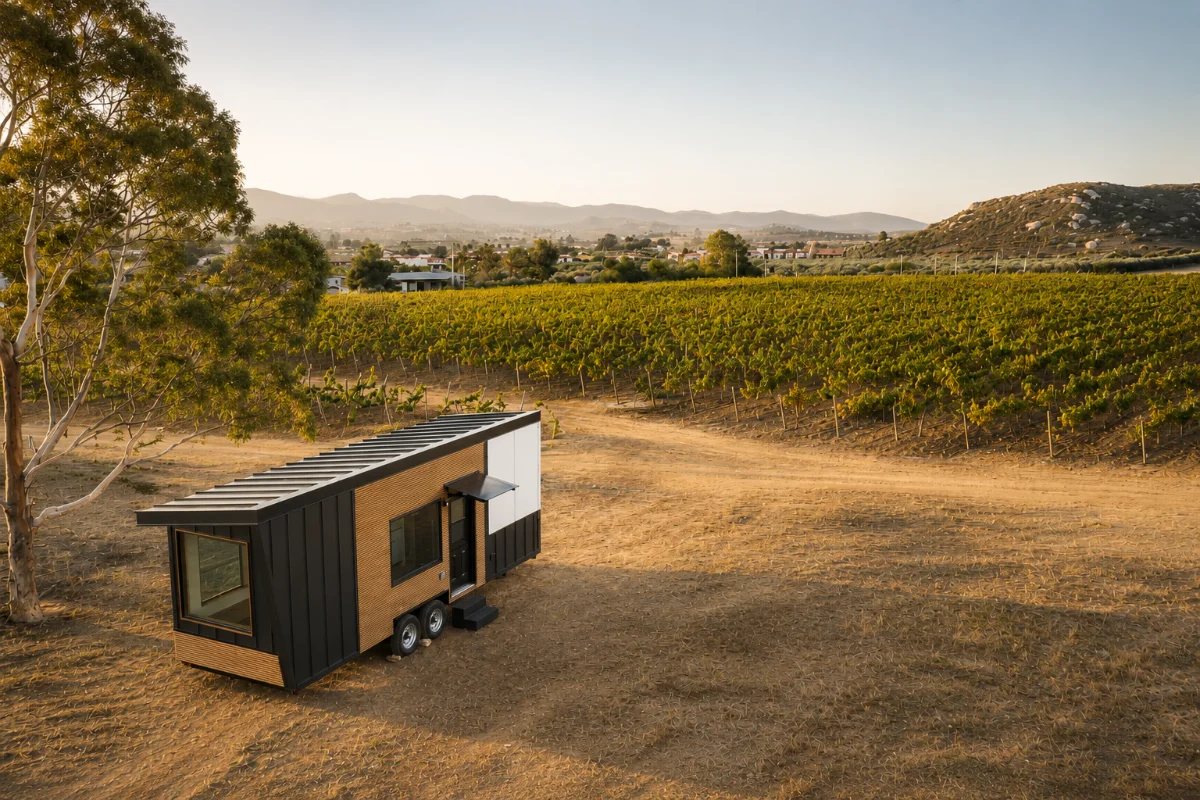
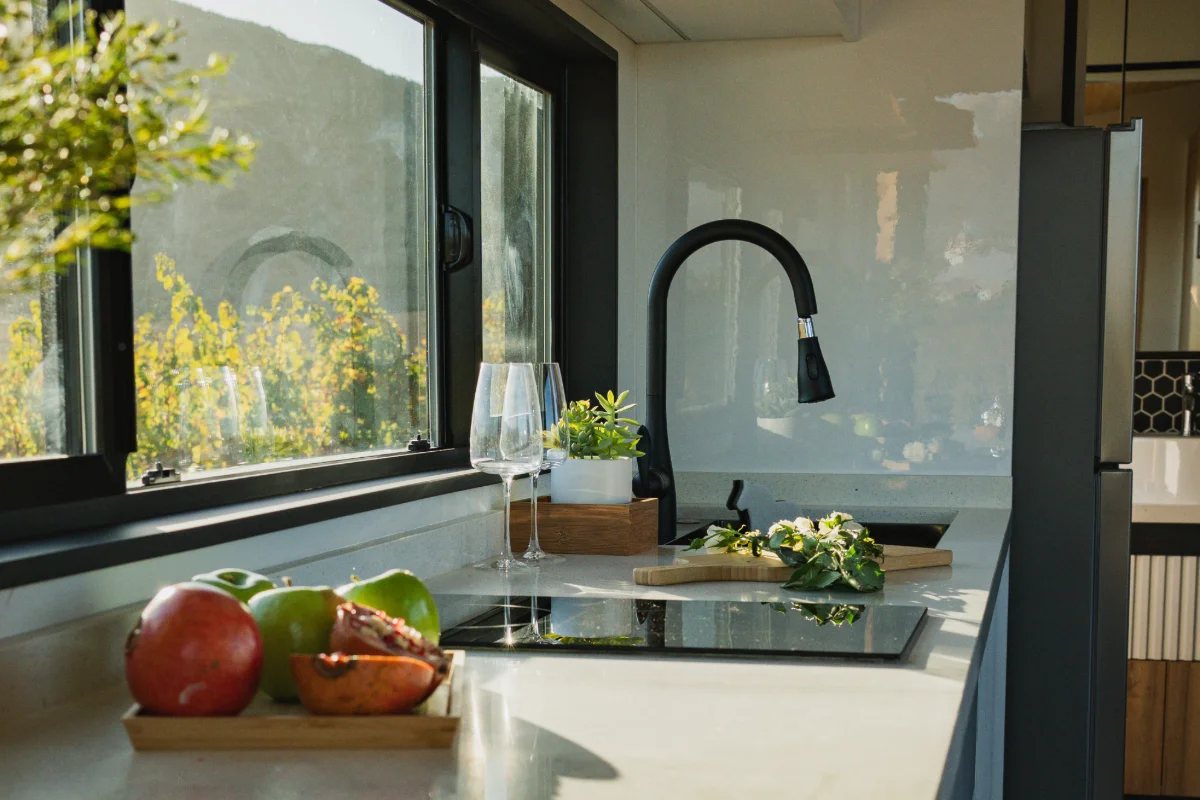
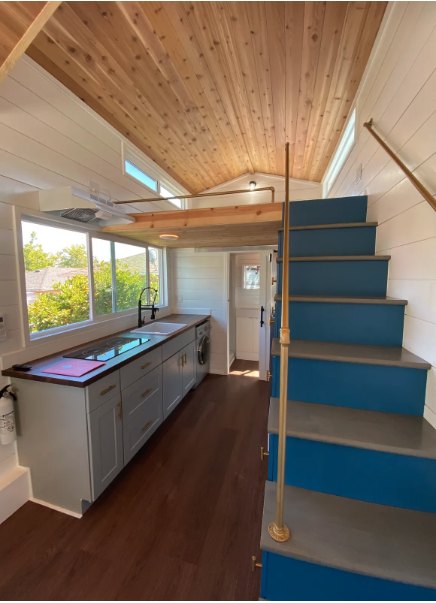
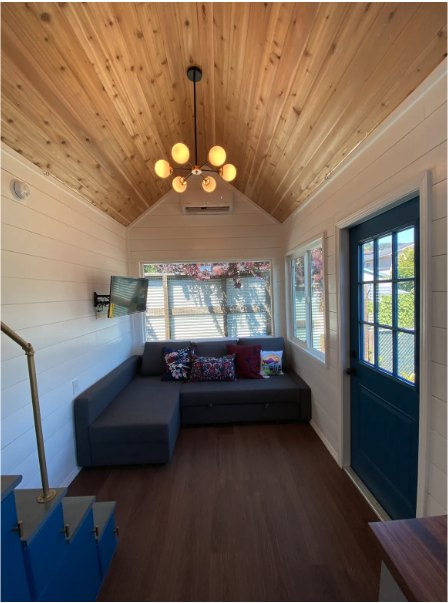
Homes by Clever Tiny Homes (top) and Pacifica Tiny Homes (bottom), two of the builders we work with.
We work with established factory builders rather than building homes ourselves, so every unit arrives certified and ready to connect.
$100–150K
to develop each home, a fraction of the per unit costs of conventional housing (affordable or market rate), where Bay Area projects usually range from $400K to $800K per unit of housing.
6–12 months
from permits in hand to move-in. Bare lot to neighbors, inside a single year of building.
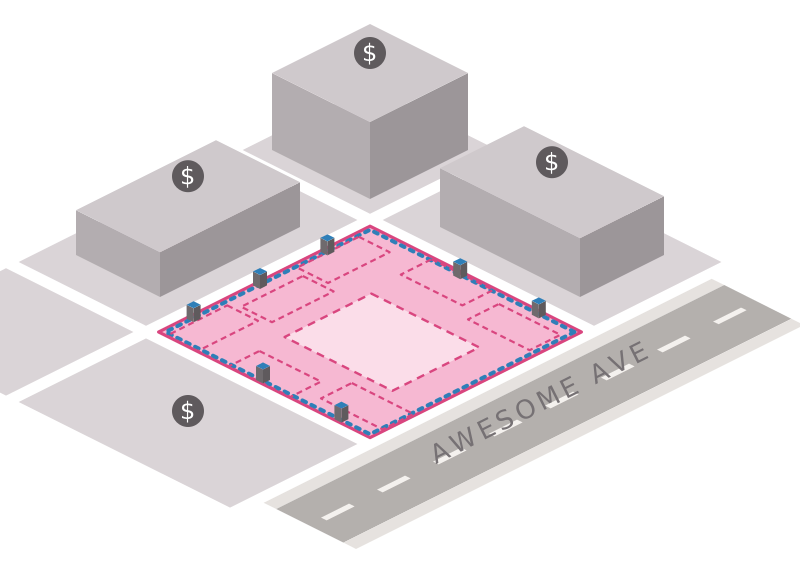
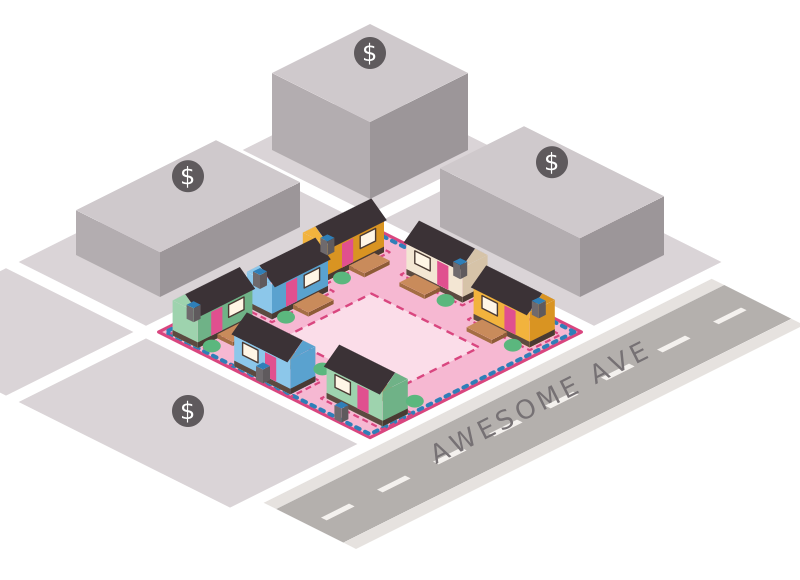
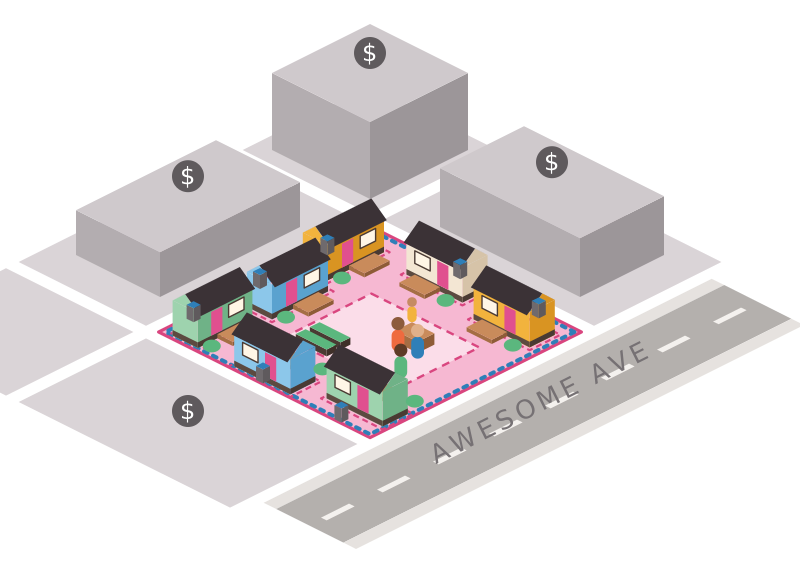
Built in clusters, these homes are regulated by the State of California as Special Occupancy Parks. Every home gets full utility connections, and the site gets landscaping, common areas, and private outdoor space for each household.
They are the anti-concrete-box-in-the-sky, and they produce the daily interactions that actually make a neighborhood.
They work as
The site is removed from the market and put in a land trust, removing profit as a line item in perpetuity.
Land and capital are our biggest blockers right now to scaling this vision.
See where your capital goesGet on the waitlist. It's free, it takes two minutes, and the number of people waiting is what helps us get the next community funded.
Join the waitlist